LIFELINE · FIRE
Put out a real fire
A live burn pan, a real extinguisher, a firefighter at your shoulder.
Limitless Academy teaches the skills school skips. Put out a fire. Stop a bleed. Negotiate your pay. Spot a deepfake. You learn each one by doing it.
One email when founding cohorts open. Nothing else.
Every skill ends with you doing the real thing, on a clock, in front of someone qualified to judge it.
A live burn pan, a real extinguisher, a firefighter at your shoulder.
A tourniquet on a partner's arm, against a stopwatch, until it takes under a minute.
Salvage cars, real glass, and the one corner of the window that gives way.
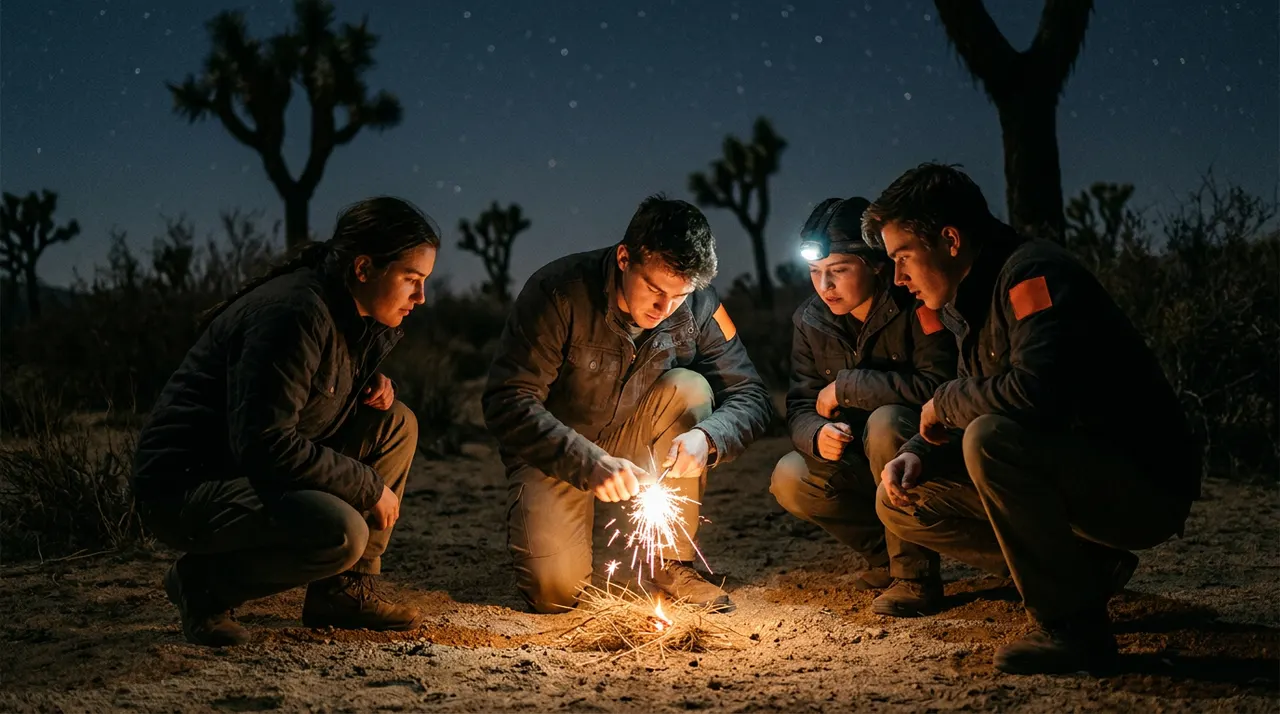
A night in the high desert with a ferro rod, a tinder bundle and your crew.
Five minutes on stage with no notes and an audience that did not have to clap.
A product you made, a price you set, and a first sale at a real market.
A tax return and a tourniquet train the same habit: stay calm, read the situation, act.
Threat is taught in a classroom, trauma-informed, with parent notice and opt-out, in line with California law (AB 1858). No role-players and no simulated gunfire. Ages 14 to 17 and 18 to 25 train in separate crews.
Each of these happens to ordinary people every week. Pick what you would do before the bar runs out.
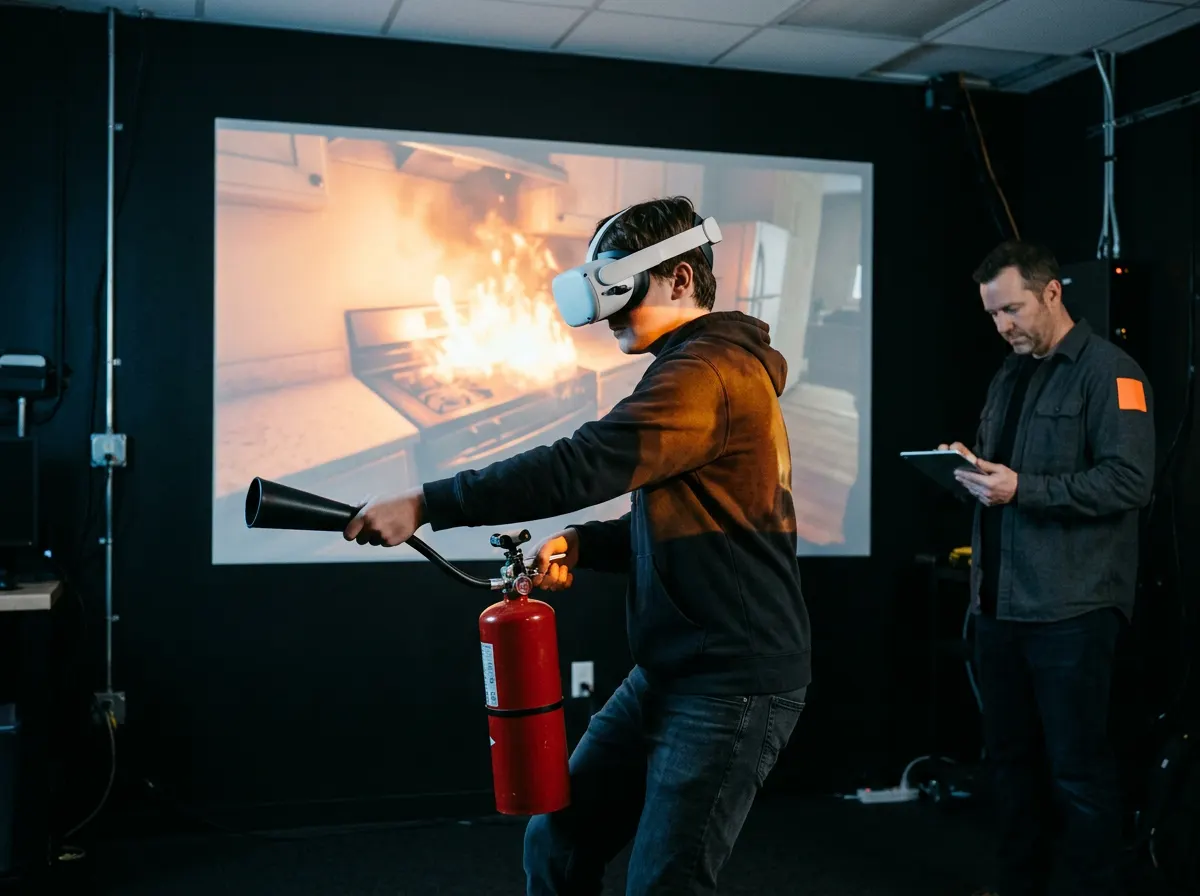
Nobody gets good at anything in one try. Simulators and AI give every student hundreds of attempts. The final proof always happens with real equipment.
A headset, a weighted extinguisher and a kitchen that burns differently every time.
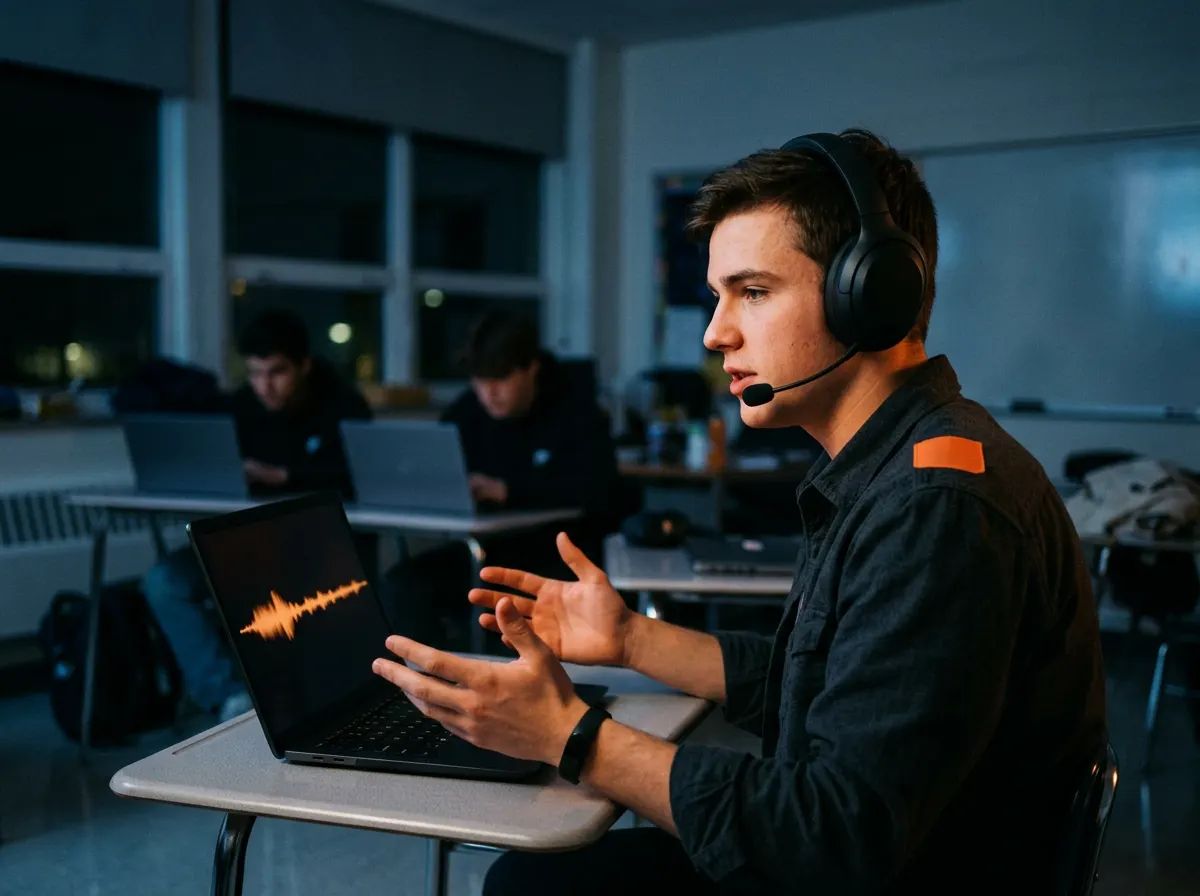
A hiring manager, a landlord, a scam caller with a cloned voice. Rehearse until your pulse stays flat.
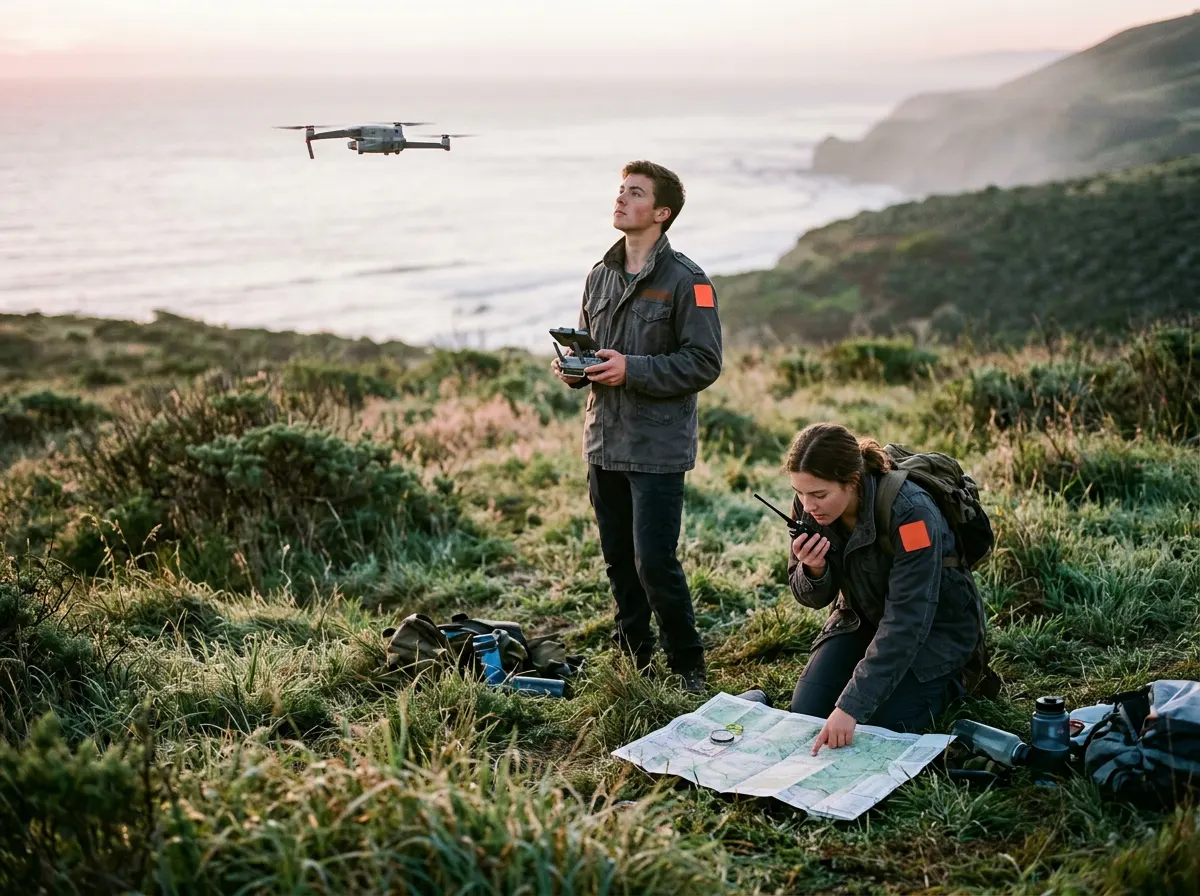
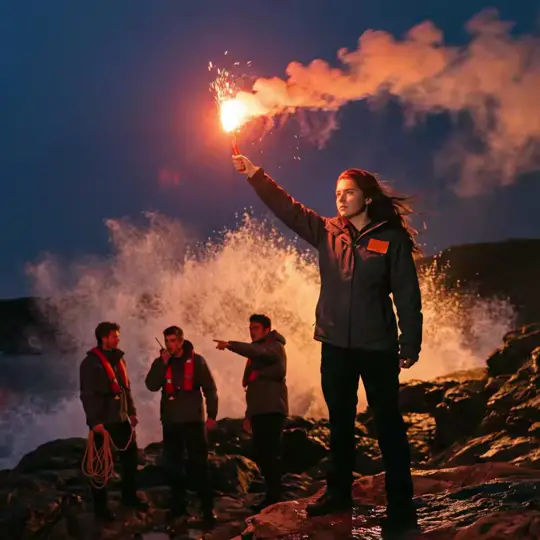
Paper map, compass and radio on Saturday. Drones, satellite messengers and offline maps on Sunday.
Each skill you pass goes into a verifiable digital record with the video of you doing it. Employers and colleges can check it with one link.
Skills fade, so the record does too. A badge dims when its refresher is due, and a five-minute drill on your phone brings it back.
of US adults do not know, or are not sure, how to use a fire extinguisher.
Harris Poll for Kidde, 2021of people who have a cardiac arrest outside a hospital get CPR from a bystander.
American Heart Association, 2026is Gen Z's average score on a 28-question personal finance test. All adults average 49%.
TIAA Institute-GFLEC, 2025of California adults say they are prepared for a disaster.
PPIC Statewide Survey, 2024You keep your school or your job. Limitless runs beside it.
The plan reaches past the students who enroll.
A truck and trailer that brings a smoke room, a window-break station, a bleeding-control bay and sim headsets to a school parking lot.
Graduates join their local Community Emergency Response Team. After a wildfire or an earthquake, they know what the first hour needs.
A public day each year. Crews compete in front of their families: the cleanest tourniquet, the best pitch, the fastest navigation.
No. The program is in development and is not enrolling. The waitlist tells us how many people want this and where in Southern California to open first.
The first programs are planned as weekend crews and intensives that run beside regular school. We are also studying a tuition-free public charter for ages 14 to 17 in California, which takes at least 18 months to authorize.
Pricing is not set. The plan is low tuition with sponsored seats, so cost does not decide who gets trained.
Working practitioners: firefighters, paramedics, nurses, search-and-rescue volunteers, accountants, founders and performers, alongside certified instructors for every credentialed course.
Live exercises use training-grade equipment, protective gear and certified instructors, and parents opt in module by module. Students progress to a live exercise only after passing the drill version.
The plan is a Skill Passport plus recognized third-party certifications such as CPR and AED, bleeding control and wilderness first aid, where the student meets each provider's requirements.
One email when founding cohorts open. Nothing else.